Accessory Dwelling Units (ADUs) have become a popular solution for homeowners looking to make the most of their property. These small, self-contained living spaces built on the same lot as a primary residence offer a range of benefits, from increasing property value to providing flexible housing options. This post explores how ADUs can help you maximize space and add value to your home, with practical insights and examples to guide your decision.
What is an Accessory Dwelling Unit?
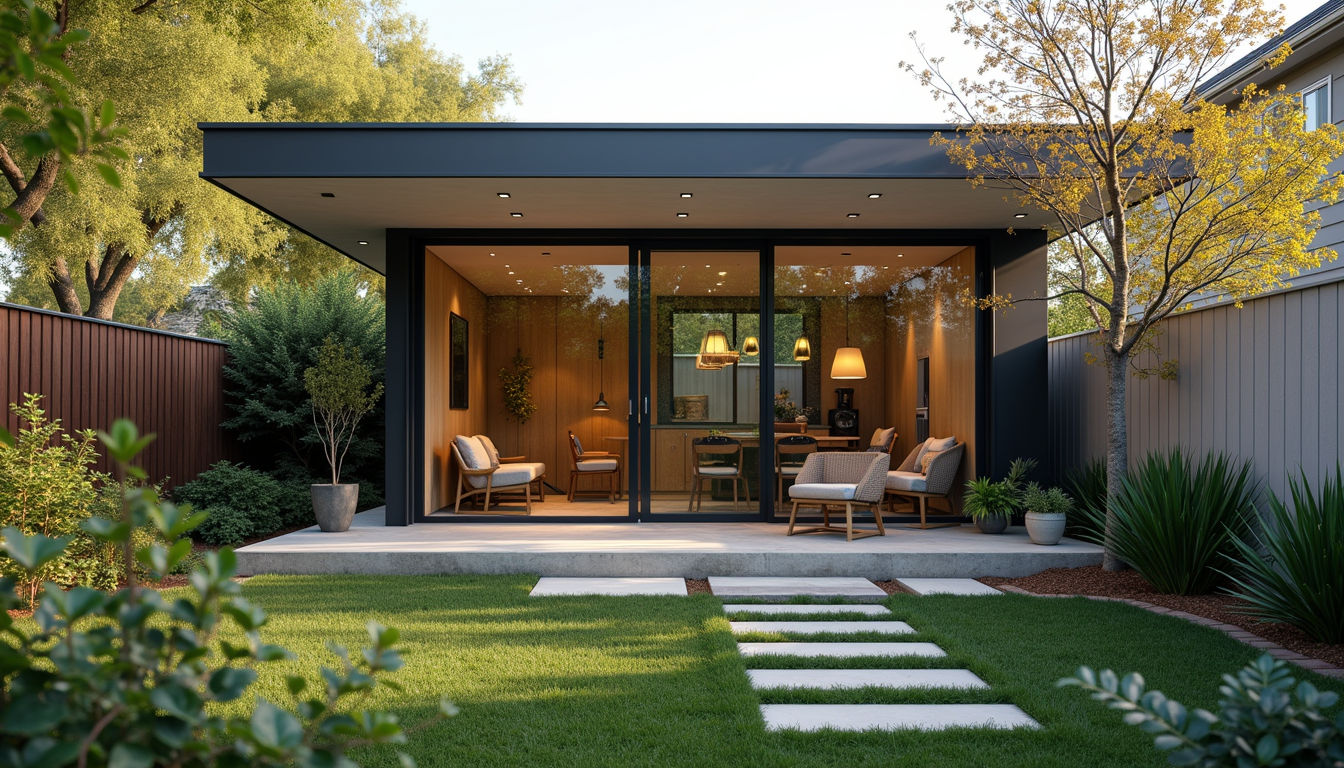
An Accessory Dwelling Unit is a secondary housing unit located on the same property as a single-family home. It can be attached to the main house, such as a converted garage or basement, or detached as a small cottage or studio in the backyard. ADUs typically include a kitchen, bathroom, sleeping area, and living space, making them fully functional homes.
These units are sometimes called granny flats, in-law suites, backyard cottages, or secondary suites. Their size usually ranges from 300 to 1,000 square feet, depending on local zoning laws and property size.
How ADUs Maximize Space
Many homeowners face the challenge of limited space, especially in urban or suburban areas where expanding the main house is costly or restricted. ADUs offer a smart way to increase usable living space without moving or building a large addition.
- —Flexible Use of Land
Instead of leaving a backyard empty or underused, an ADU transforms that space into a valuable living area. This can serve multiple purposes, such as housing family members, creating a home office, or providing rental income.
- —Separate Living Areas
ADUs provide privacy for both the main household and occupants of the unit. This separation is ideal for multigenerational families or roommates who want independence but still share a property.
- —Customizable Design
Since ADUs are smaller, they can be designed to fit specific needs and styles. Homeowners can choose layouts that maximize natural light, storage, and comfort within a compact footprint.
Financial Benefits of Adding an ADU
Building an ADU can be a smart financial move. It often increases the overall value of your property and creates new income opportunities.
- —Increased Property Value
Studies show that homes with ADUs can sell for 20% to 30% more than comparable homes without them. The added living space and flexibility appeal to buyers, especially in high-demand housing markets.
- —Rental Income Potential
Renting out an ADU can generate steady monthly income. Whether you rent it long-term or as a short-term vacation rental, this additional revenue can help cover mortgage payments or fund other expenses.
- —Cost-Effective Housing Solution
Compared to buying a new home or moving to a larger property, building an ADU is often more affordable. It allows homeowners to stay in their neighborhood while gaining extra space.
Practical Uses for ADUs
ADUs serve many purposes beyond just extra bedrooms. Here are some common ways homeowners use them:
- —Housing Aging Parents or Adult Children
ADUs provide a comfortable, independent living space close to family. This arrangement supports caregiving and family bonding without sacrificing privacy.
- —Home Office or Studio
With more people working remotely, ADUs can become quiet, dedicated workspaces separate from the main house distractions.
- —Guest Accommodation
Hosting visitors becomes easier with an ADU, offering guests their own space and amenities.
- —Rental Unit for Extra Income
Many homeowners rent out ADUs to tenants, helping offset housing costs or saving for future investments.
Considerations Before Building an ADU
Before starting an ADU project, it’s important to understand local regulations, costs, and design challenges.
- —Zoning and Permits
Check your city or county’s zoning laws to confirm if ADUs are allowed on your property. Some areas have size limits, parking requirements, or restrictions on rental use.
- —Construction Costs
Building an ADU can cost between $100,000 and $250,000 depending on size, materials, and labor. Budget carefully and consider potential return on investment.
- —Design and Utility Connections
Plan for plumbing, electrical, and heating systems. Efficient design can reduce ongoing utility costs and improve comfort.
- —Impact on Privacy and Neighborhood
Consider how an ADU might affect your neighbors and your own privacy. Thoughtful placement and landscaping can minimize concerns.
How to Get Started with Your ADU
If you’re interested in adding an ADU, follow these steps to make the process smoother:
- —Research Local Rules Visit your city’s planning department website or talk to a zoning official to understand ADU regulations.
- —Set a Budget Determine how much you can invest and explore financing options like home equity loans or construction loans.
- —Hire Professionals Work with architects, builders, and contractors experienced in ADU projects to ensure quality and compliance.
- —Plan the Design Focus on efficient use of space, natural light, and privacy. Think about how you or future occupants will use the unit.
- —Apply for Permits Submit plans and applications to your local government. Be prepared for inspections during construction.
- —Build and Enjoy Once approved, construction can begin. After completion, enjoy the benefits of your new ADU.