An ADU, also known as an Accessory Dwelling Unit or Additional Dwelling Unit, is one of the most talked-about housing solutions today. Whether you’re looking to create rental income, add space for family, or increase your property value, an ADU offers a flexible and powerful option.
This guide explains what an ADU is, the different types, costs, benefits, and what to consider before building one.
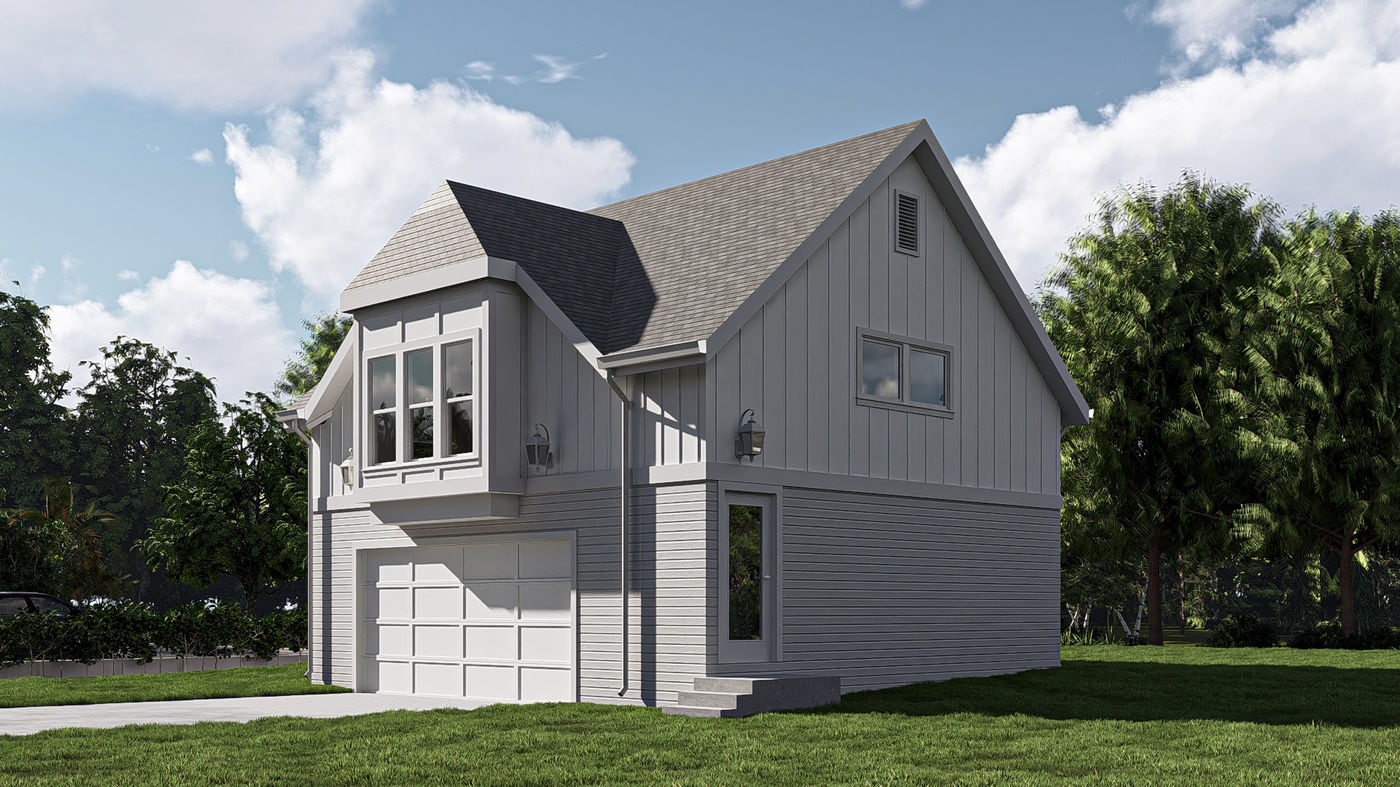
What Is an ADU?
An ADU (Accessory Dwelling Unit) is a secondary housing unit located on the same lot as a primary residence. It is a fully independent living space, typically including:
- —A kitchen
- —A bathroom
- —Sleeping area
- —Private entrance
ADUs can be attached to the main home or built as a separate structure, depending on zoning and property conditions.
Types of ADUs
Understanding the different types of ADUs helps you choose what fits your property and goals.
Detached ADU
A standalone structure separate from the main house.
- —Offers the most privacy
- —Ideal for rental or guest use
Attached ADU
Connected to the primary home (e.g., side or rear addition).
- —Shares at least one wall
- —Often more cost-effective than detached units
Garage Conversion ADU
Converts an existing garage into a living unit.
- —Lower construction cost
- —Great for maximizing existing space
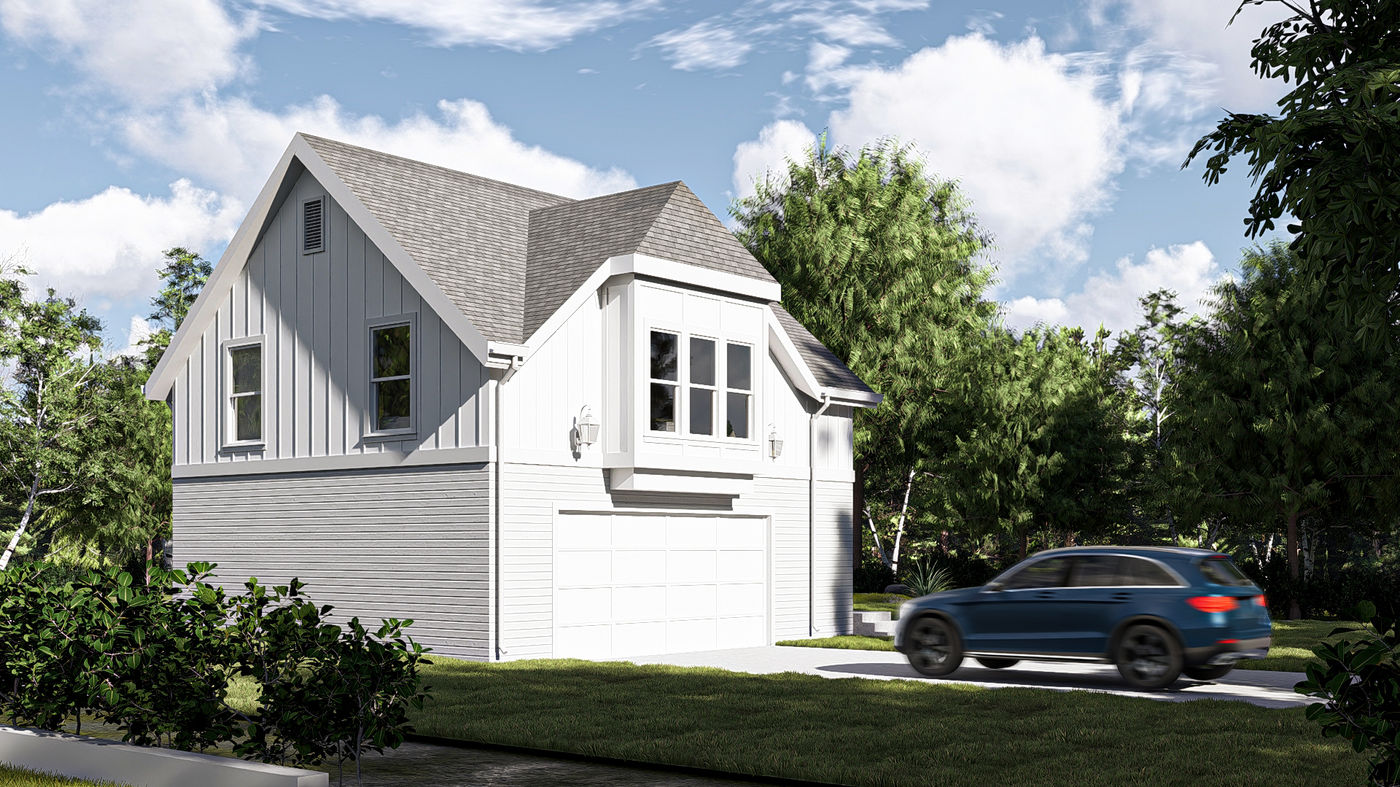
Above-Garage ADU
Built on top of a garage structure.
- —Efficient use of vertical space
- —Popular in urban settings
Basement ADU
Transforms a basement into a separate unit.
- —Typically more affordable
- —Works well if ceiling height and access allow
Why ADUs Are So Popular
1. Rental Income Potential
One of the biggest advantages of an ADU is the ability to generate passive income through long-term or short-term rentals.
2. Multigenerational Living
ADUs provide a private yet close living space for family members.
3. Increased Property Value
Homes with ADUs often sell at a premium due to added functionality.
4. Flexible Use
An ADU can serve as:
- —Guest house
- —Home office
- —Studio space
- —Future downsizing option
How Much Does an ADU (Additional Dwelling Unit) Cost?
ADU costs vary depending on size, type, and location.
Typical Cost Ranges:
- —Garage Conversion ADU: $80,000 – $150,000+
- —Attached ADU: $120,000 – $250,000+
- —Detached ADU: $150,000 – $350,000+
Cost Per Square Foot:
- —$200 – $400+ per sq ft
What Affects ADU Cost:
- —Size and layout
- —Site conditions and utilities
- —Foundation type
- —Material and finish quality
- —Local labor costs
- —Permit and impact fees
In cities like Nashville, zoning and permitting can also influence overall cost and feasibility.
ADU Zoning and Regulations
Before starting an ADU project, it’s critical to understand local regulations.
Key Factors:
- —Zoning district requirements
- —Lot size and setbacks
- —Maximum square footage
- —Height restrictions
- —Owner-occupancy rules (in some areas)
- —Parking requirements
ADU rules can vary significantly by city, so always verify local codes before planning.
The ADU Design & Build Process
1. Feasibility & Planning
Evaluate your property, zoning, and goals.
2. Design
Develop a layout that maximizes space and functionality.
3. Permitting
Submit plans for approval based on local regulations.
4. Construction
Build the unit, including utilities, finishes, and exterior work.
5. Final Inspection
Ensure the ADU meets all code requirements before occupancy.
Is an ADU Worth It?
For many homeowners, the answer is yes.
Benefits:
- —Additional income stream
- —Increased property value
- —Flexible living options
- —Better use of land
However, success depends on proper planning, design, and understanding local regulations.
Common Mistakes to Avoid
- —Not checking zoning before starting
- —Underestimating total costs
- —Poor layout planning in small spaces
- —Ignoring utility connections
- —Skipping professional design
A well-designed ADU performs better both financially and functionally.
Final Thoughts
An ADU (Additional Dwelling Unit) is one of the most versatile additions you can make to your property. Whether your goal is income, flexibility, or long-term value, a properly planned ADU can deliver strong returns.
Start Your ADU Project
Before moving forward, it’s important to have a clear design tailored to your property and local regulations. A thoughtful plan can save time, reduce costs, and improve the final result.
If you’re ready to explore your options, get started here:👉 https://www.fablarchitecture.com/start-your-project
Disclaimer: ADU regulations vary by location. Always verify local zoning laws, building codes, and permitting requirements before beginning your project.