Change is no stranger to Second Avenue. The rich history of the avenue includes buildings that date back to the 1870s. These buildings have since been repurposed time and time again as residential apartments, entertainment venues, and modern markets. A diversity of use has been cultivated over the centuries, but what remains constant is a distinct vitality and character.
The unfortunate events of the last year have again brought change to Second Avenue, and our community has been compelled to imagine how we can rebuild and revitalize. Fabl Design has listened to the local community to identify improvements and create a vision for what can be. Below is our guide to Recovering Second Avenue.
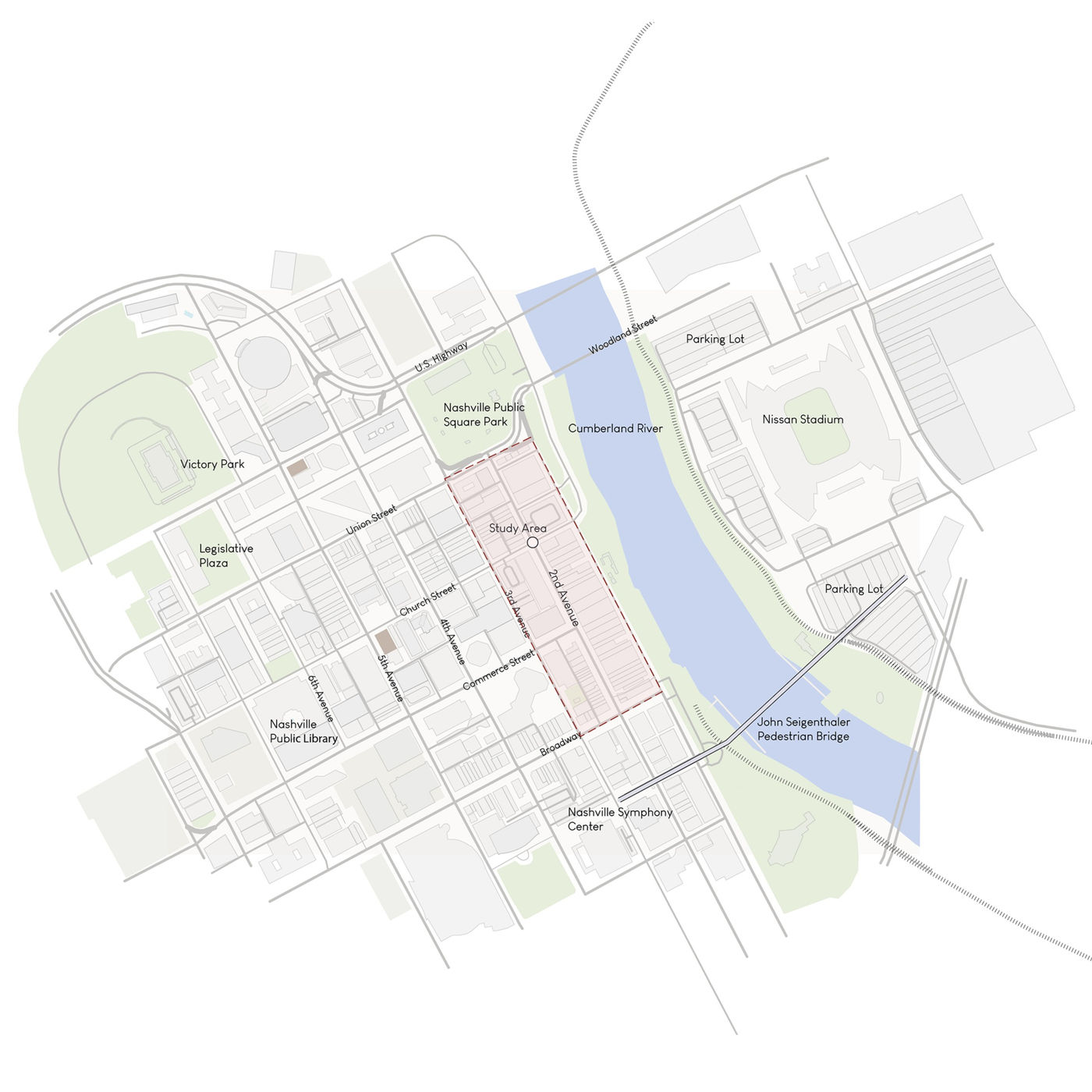
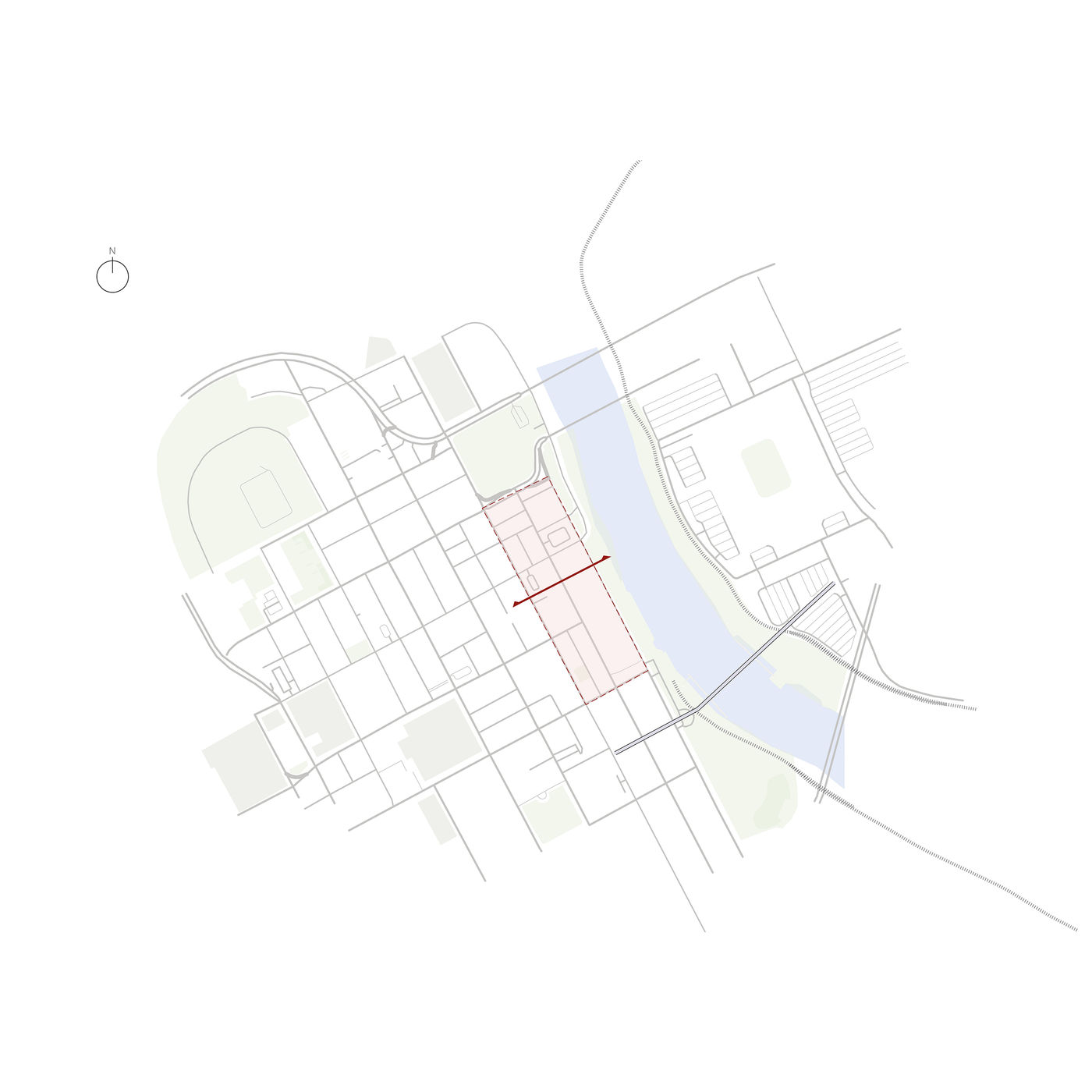
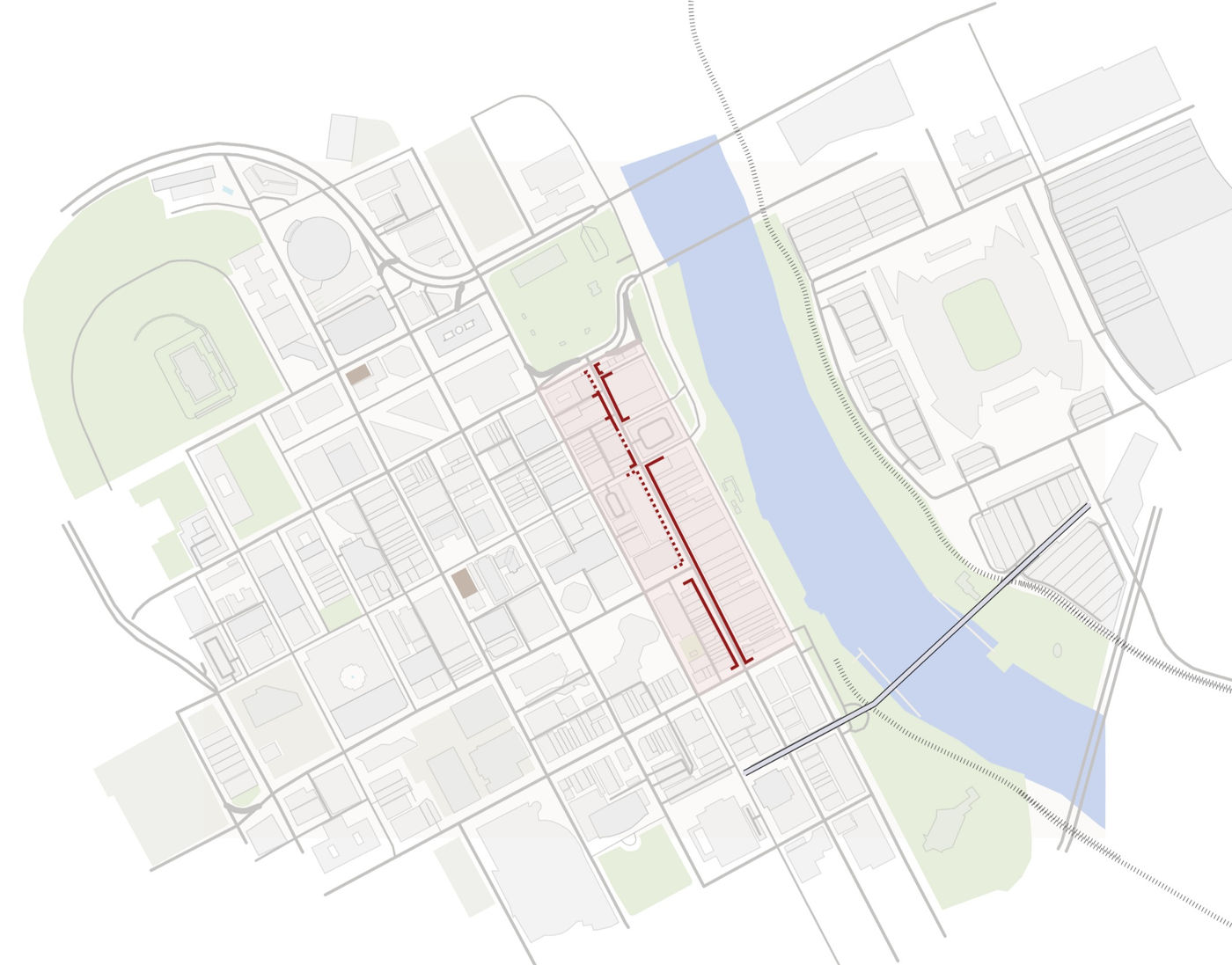
Study Area // Second Avenue Between Broadway & Union Street
Second Avenue // Broadway to Commerce St.
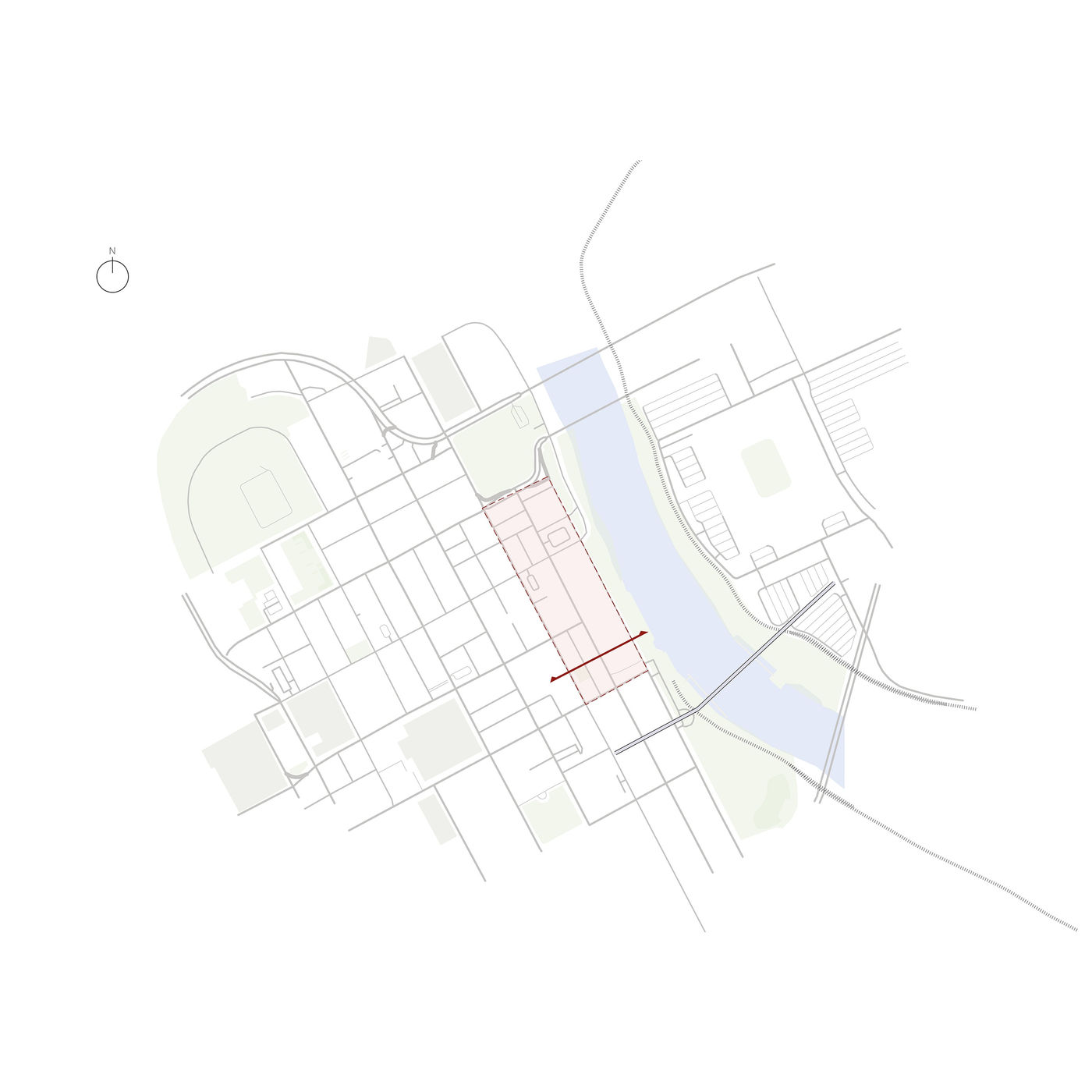
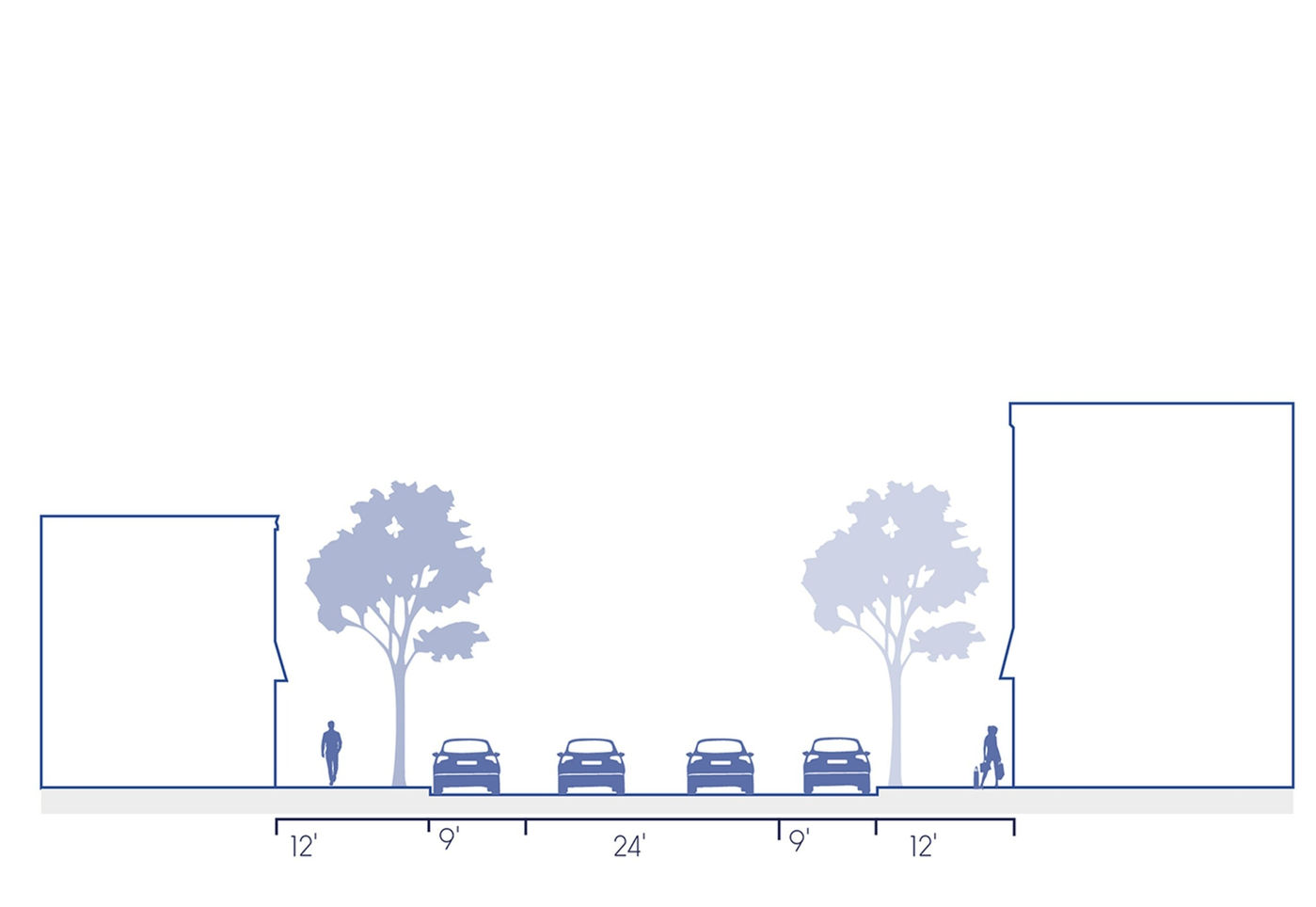
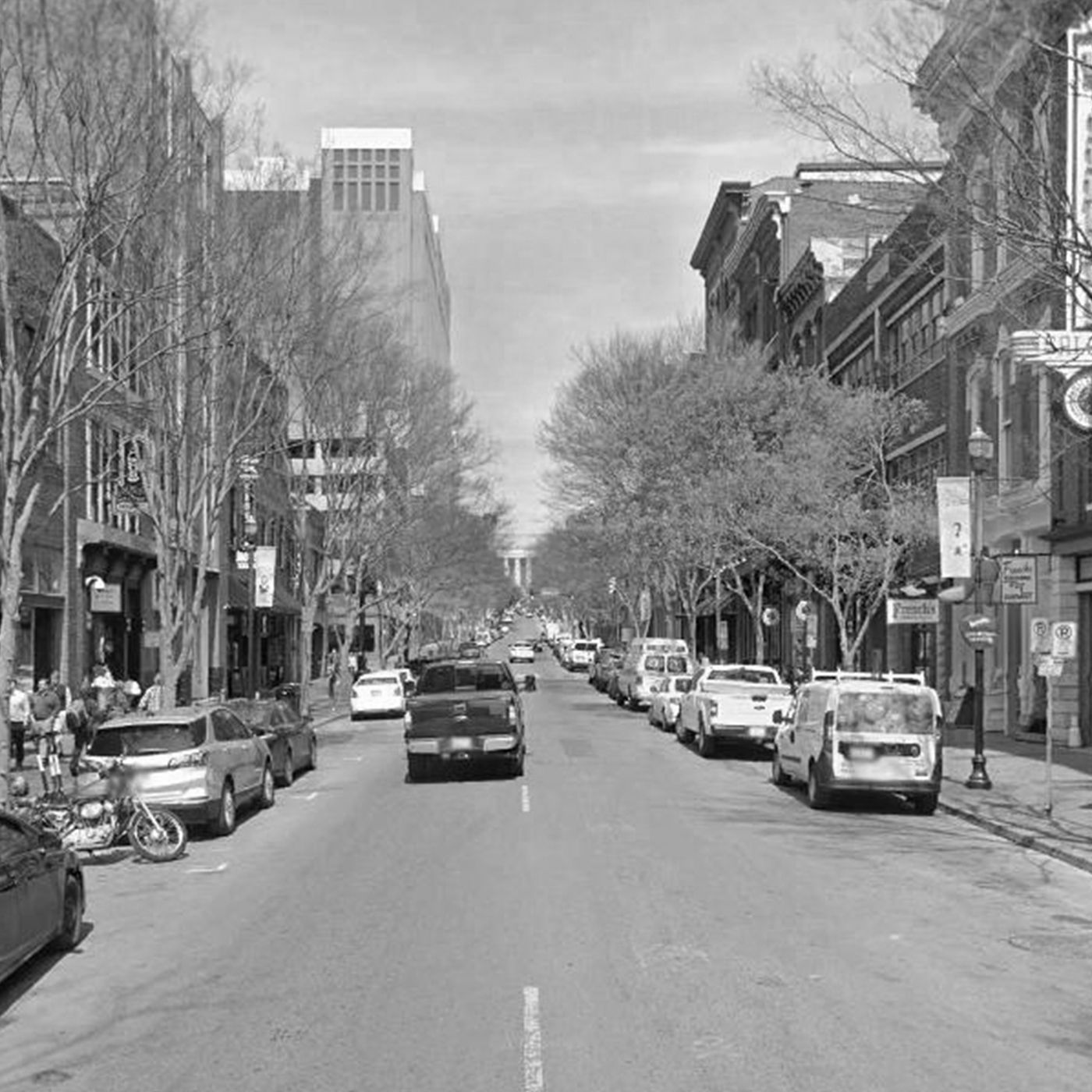
The area between Broadway and Commerce St. is fairly active with pedestrian movement and activity. This part of the street is also car-oriented, with two drive lanes and two parking lanes. This results in low pedestrian safety, limited space for alternative forms of transportation such as bikes and buses, a less desirable view in a historical context, and fewer opportunities for commercial businesses to capitalize on the downtown atmosphere.
Additionally, the similar building scales on each side of the street is a desirable attribute of this section. The buildings in this section range from three to five stories. These modest heights create a pleasing environment compatible with human scale.
Second Avenue // Commerce St. to Church St.
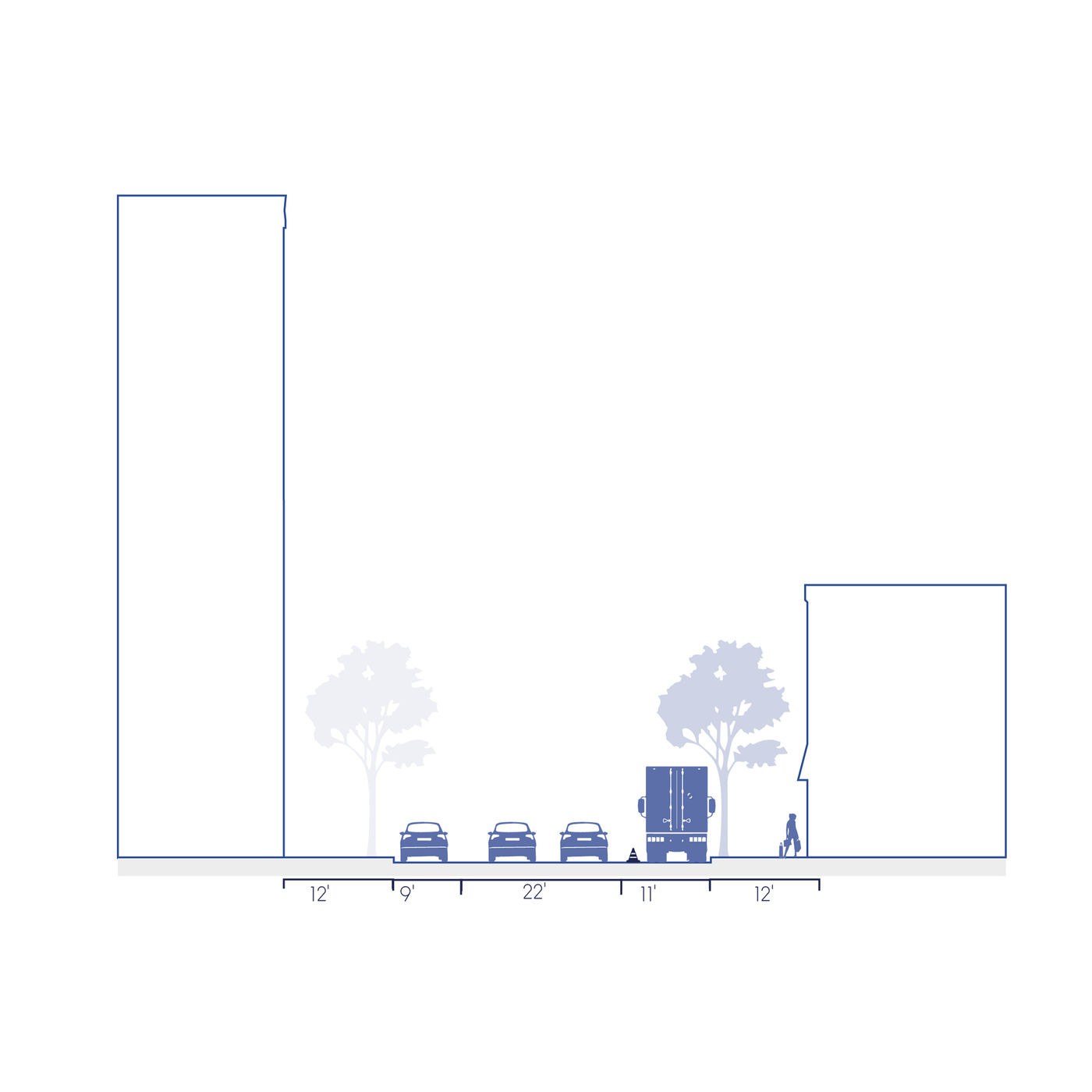
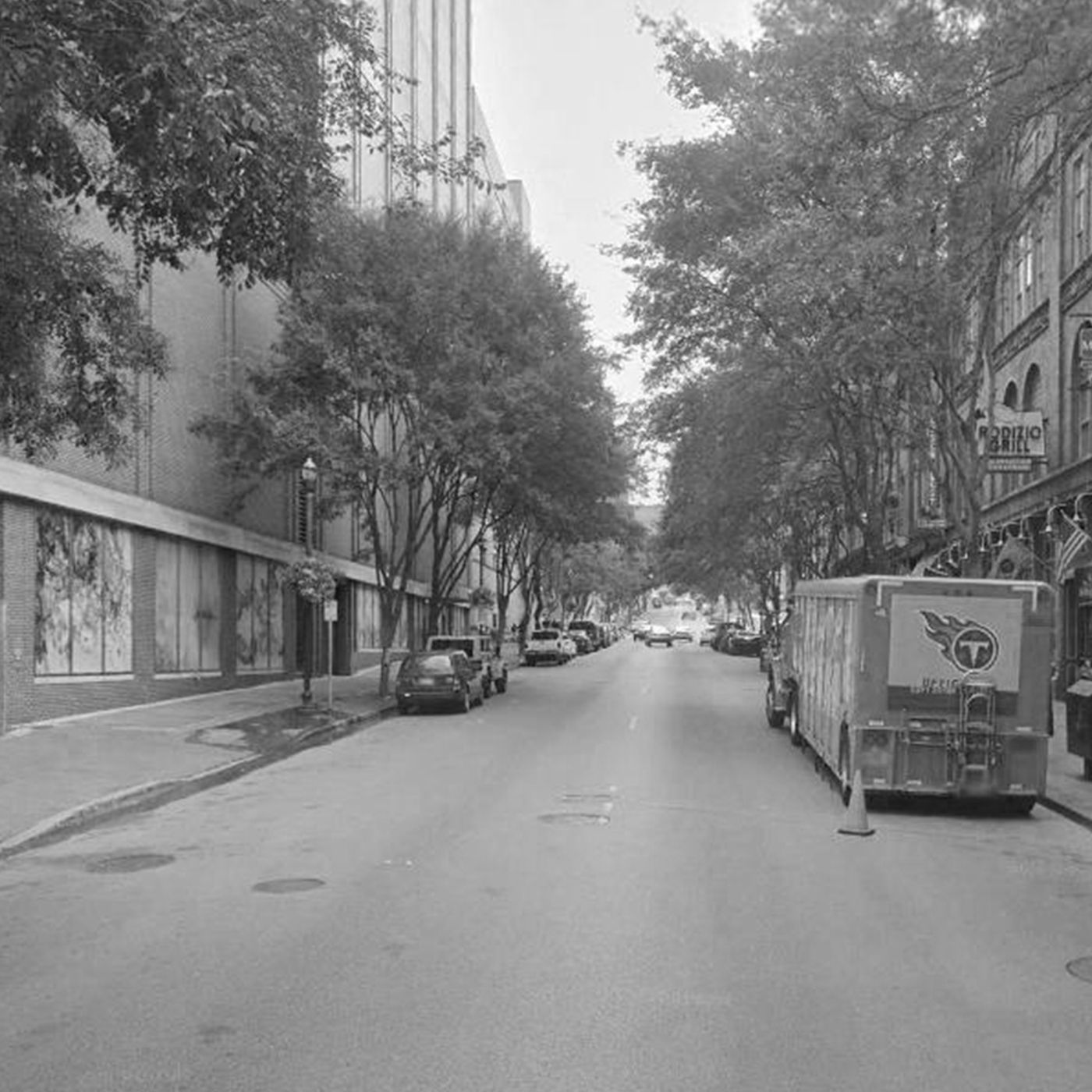
Pedestrian activity along this section of Second Avenue drops in comparison to the section above. On the east side of the street, businesses keep foot traffic fairly consistent; however, the inactive façade on the west side of the street does not provide engagement opportunities, such as eateries, public art, or shops.
Second Avenue // Inactive vs. Active Façades
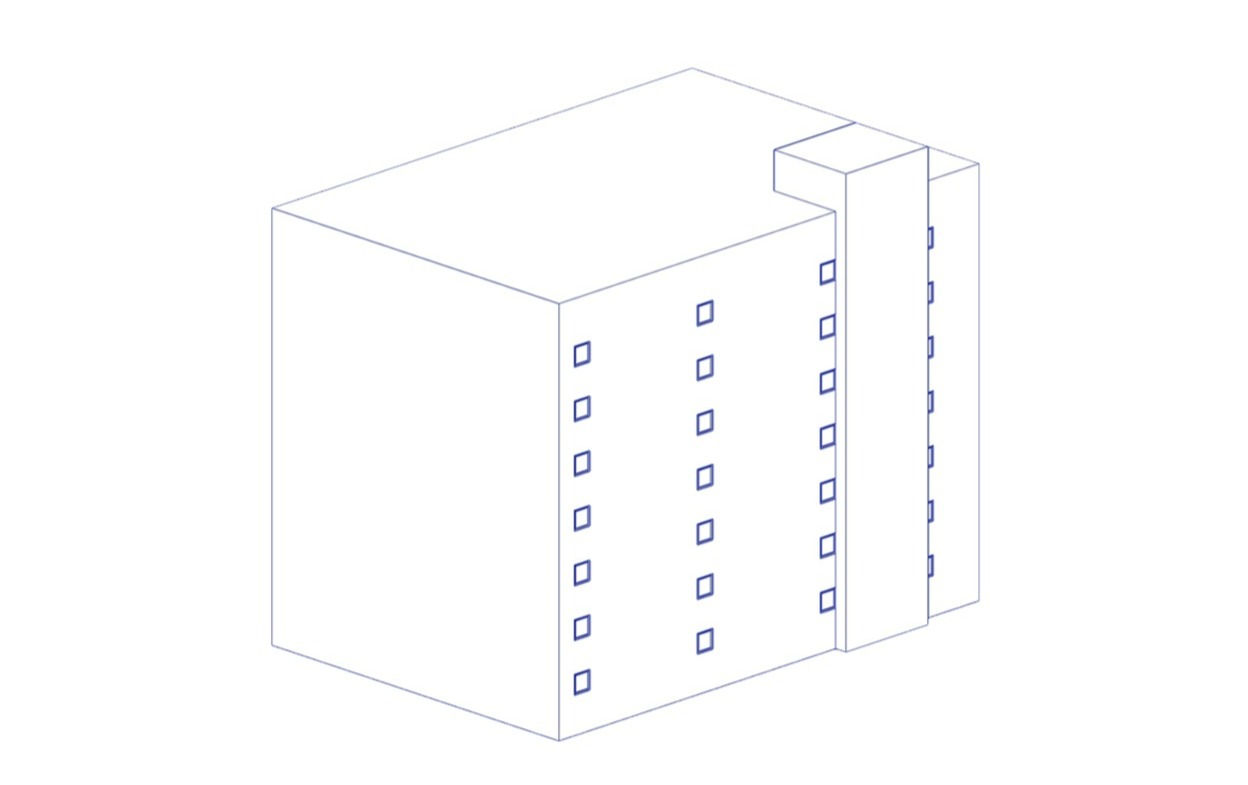
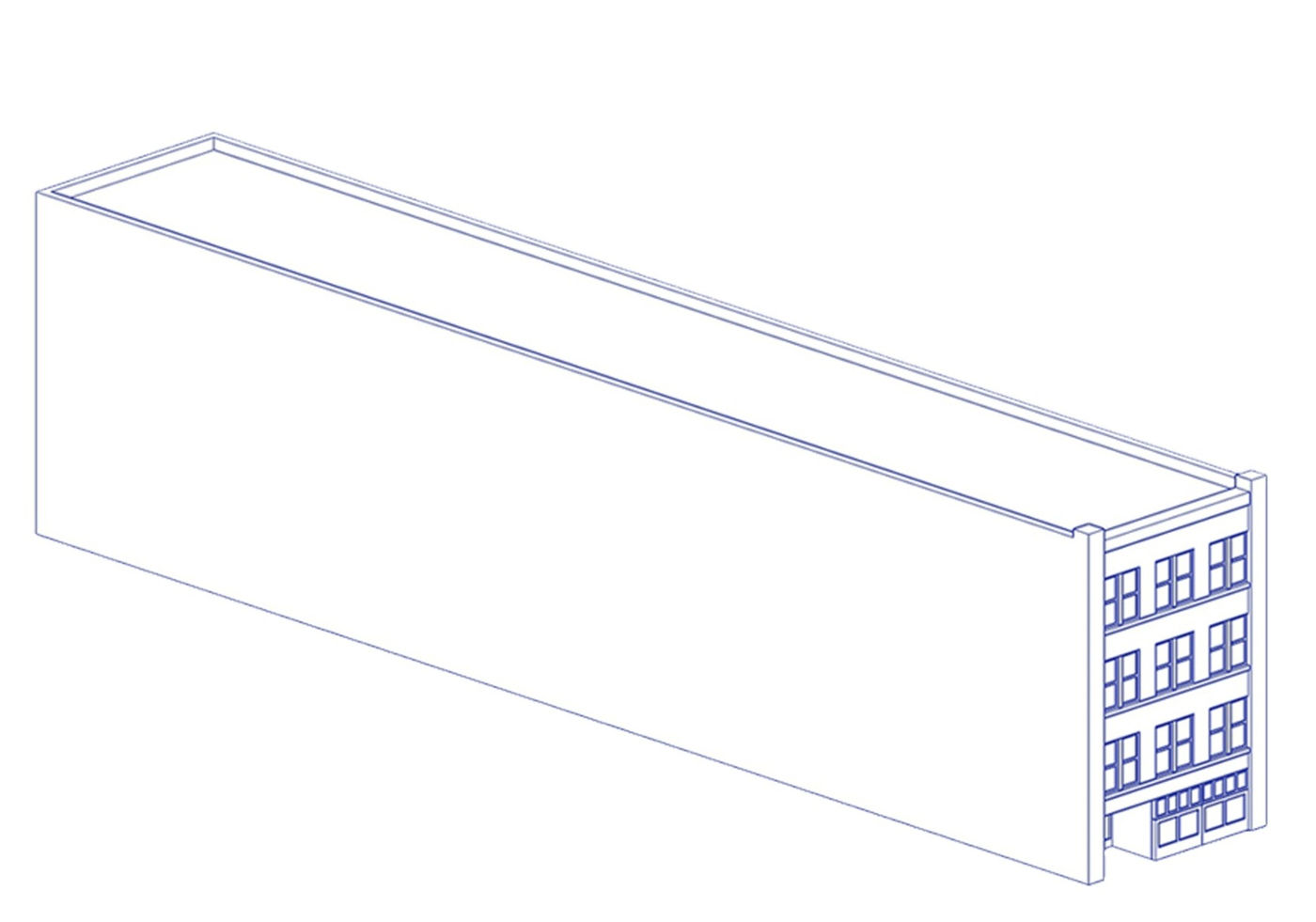
Building 201 provides an example of an inactive façade, meaning there is a lack of first-floor engagement and/or entry. Additionally, the height of this building does not fit the historic context of Second Avenue.
An example of an active façade is The Quarters, which provides a storefront available to the public. Storefronts encourage foot traffic, and a diversity of businesses provides both a daytime activity for a broad spectrum of people as well as economic opportunity for community members.
Second Avenue // The Vision
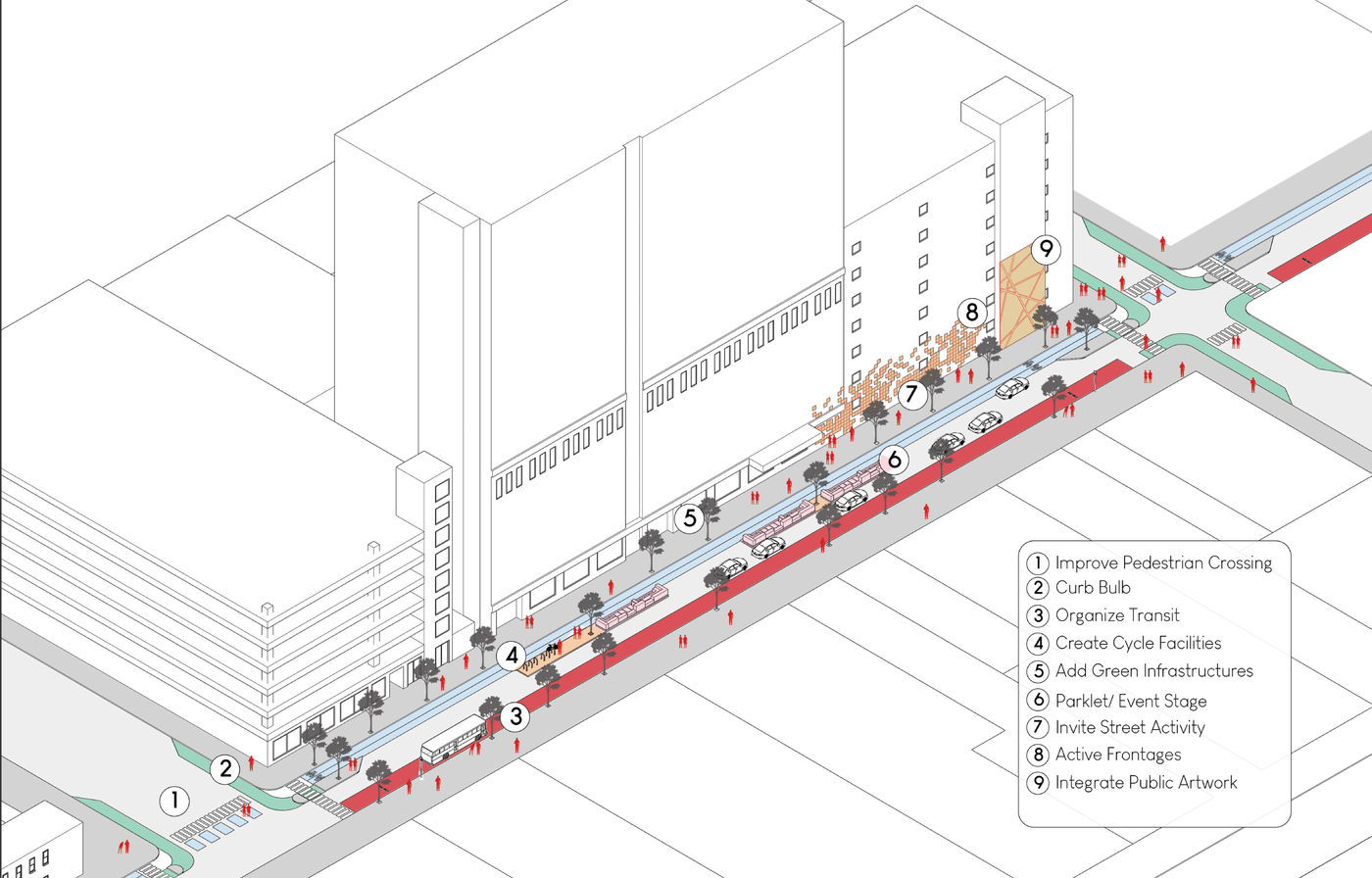
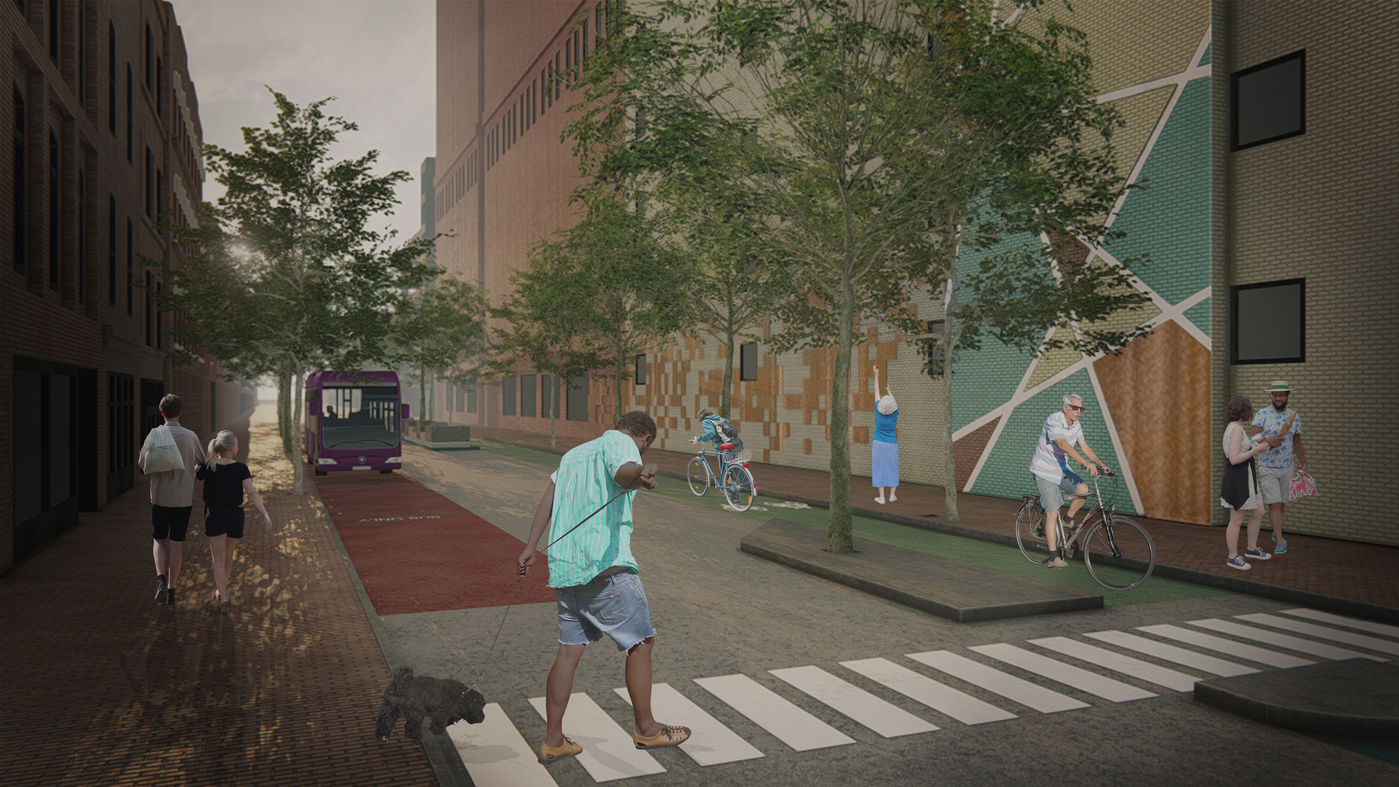
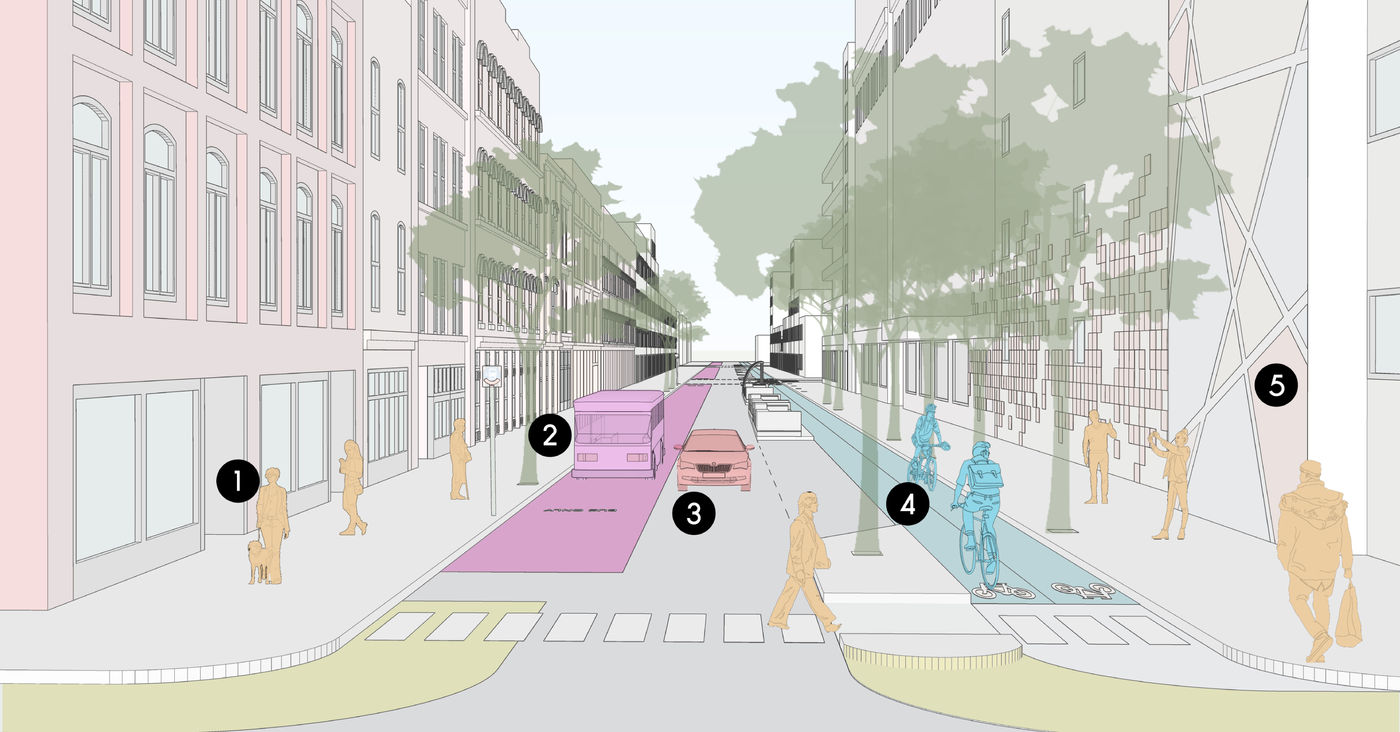
- —Improve Pedestrian Crossing with the addition of pedestrian safety islands.
- —Curb Bulbs (Bulb-outs) extend the sidewalk or curb line into the parking lane. This reduces the effective width of the street, which also minimizes pedestrian crossing distances. Visually, curb bulbs create a more pedestrian friendly zone. Physically, they also create a safer walking path.
- —Nashville's Metropolitan Transit Authority is committed to increasing affordable transit opportunities. Second Avenue is one of the City's major transit routes, and provides an opportunity to organize transit. For example, a dedicated bus lane could be developed on Second Avenue in the foreseeable future.
- —When creating cycle facilities, dedicated bike lanes and bike racks are key.
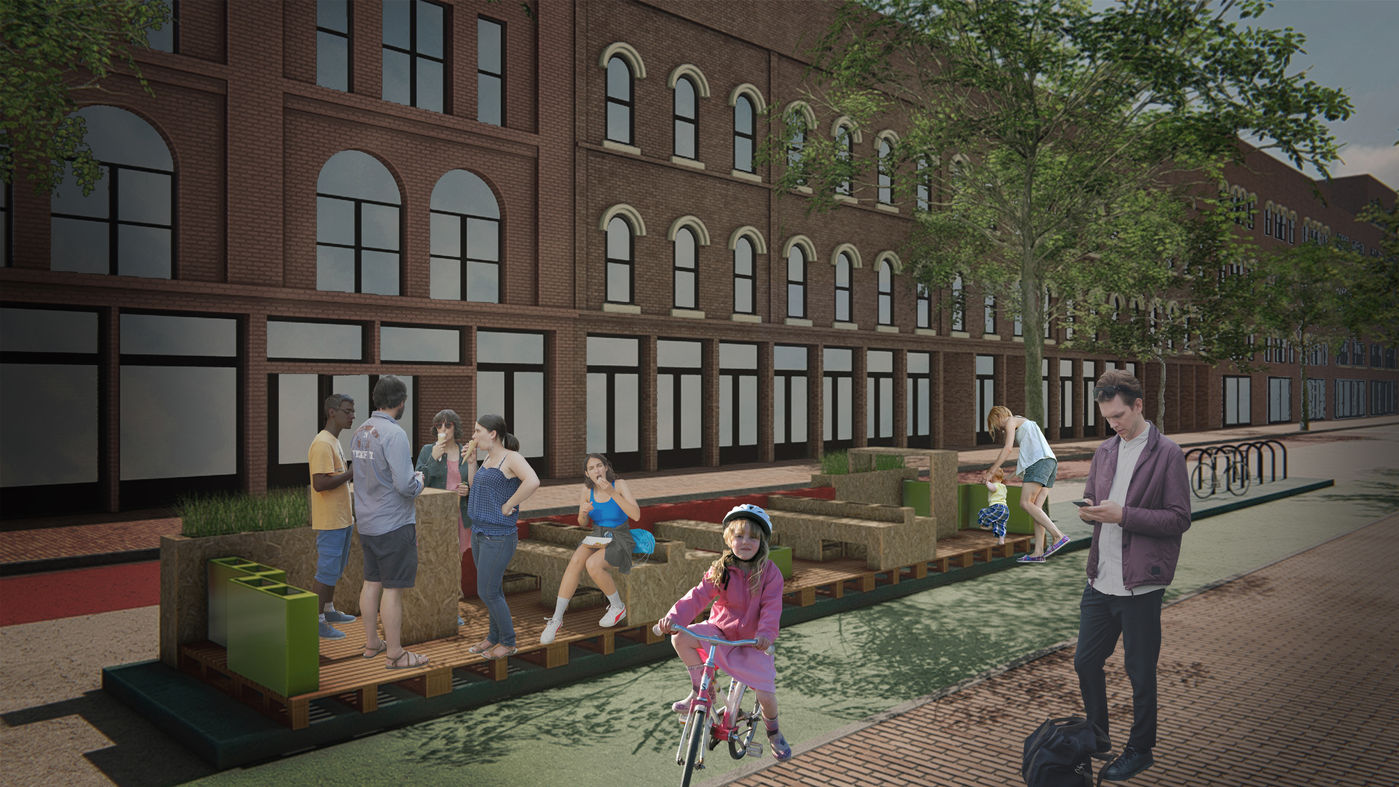
- —Reestablishing green infrastructure on Second Avenue will be a priority. Old growth trees and vibrant greenery are a hallmark of the area's character.
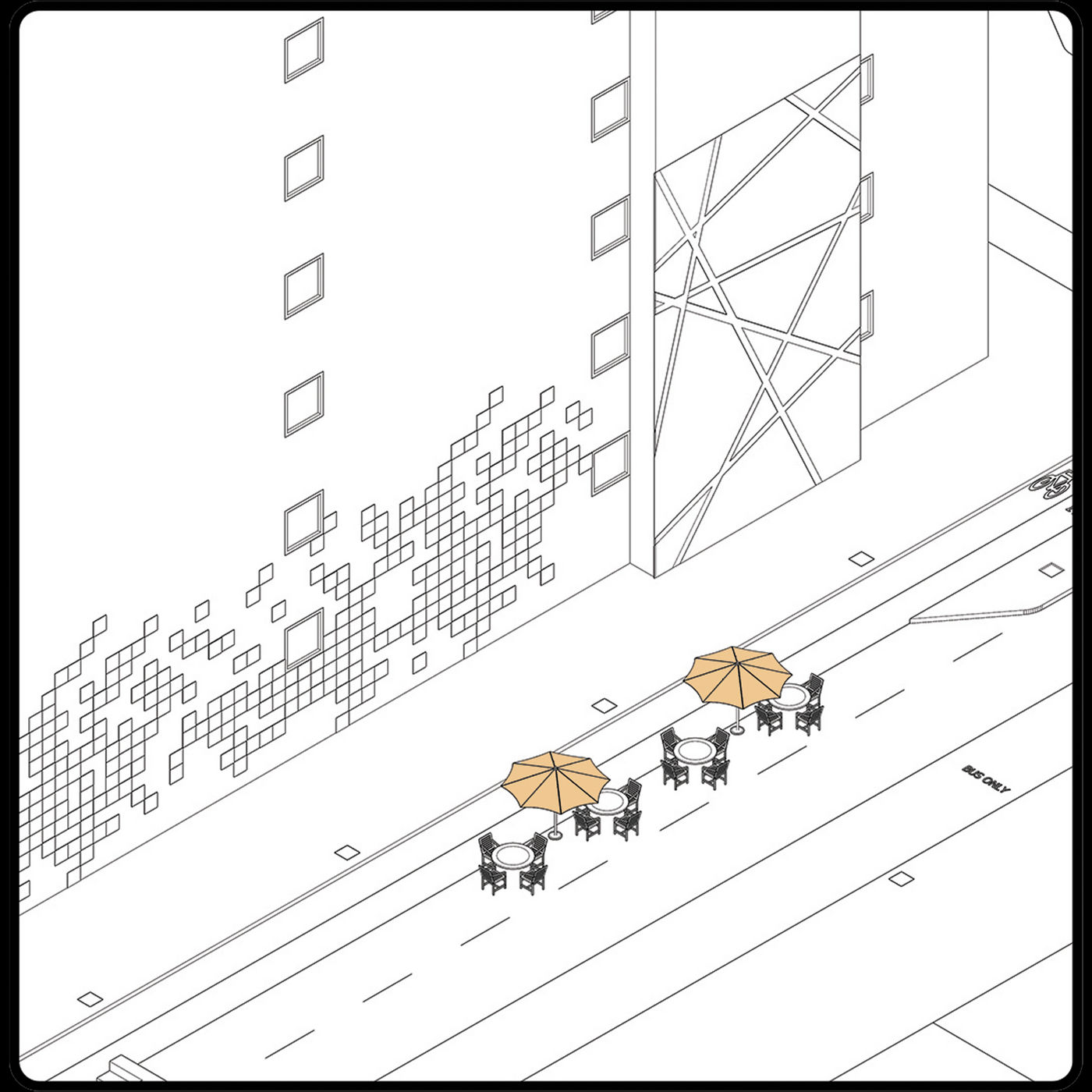
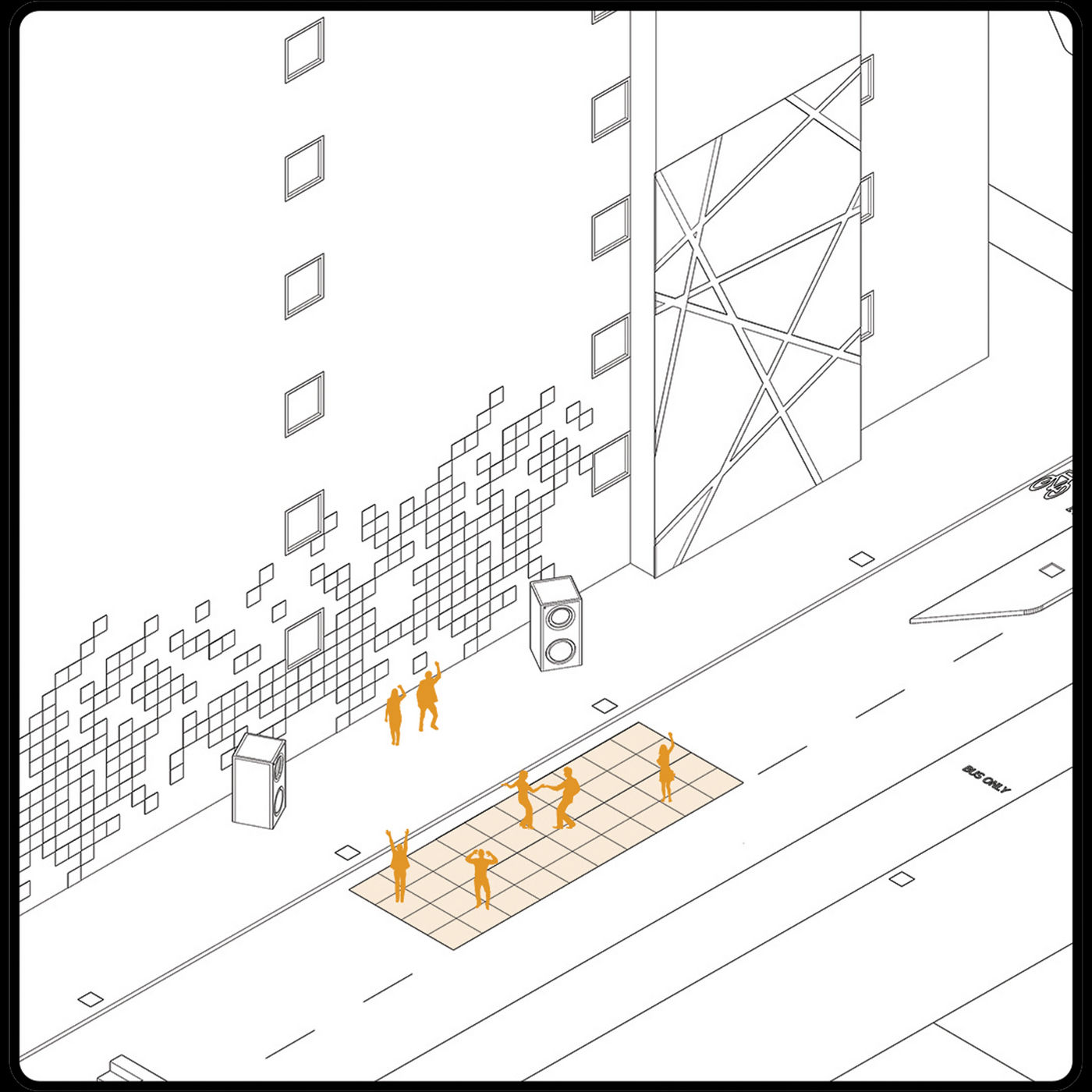
- —The Flex Lane serves multiple purposes throughout the day, including parklet, event stage, loading zone, and parking.
- —Street activity can be improved by organizing street performances and special events.
- —Create dynamic, active frontages can by developing interactive community chalkboards and photo-friendly walls.
- —Dedicate space to integrate public artwork such as murals and sculptures. These efforts will enhance the existing character of Second Avenue and celebrate our local artists.
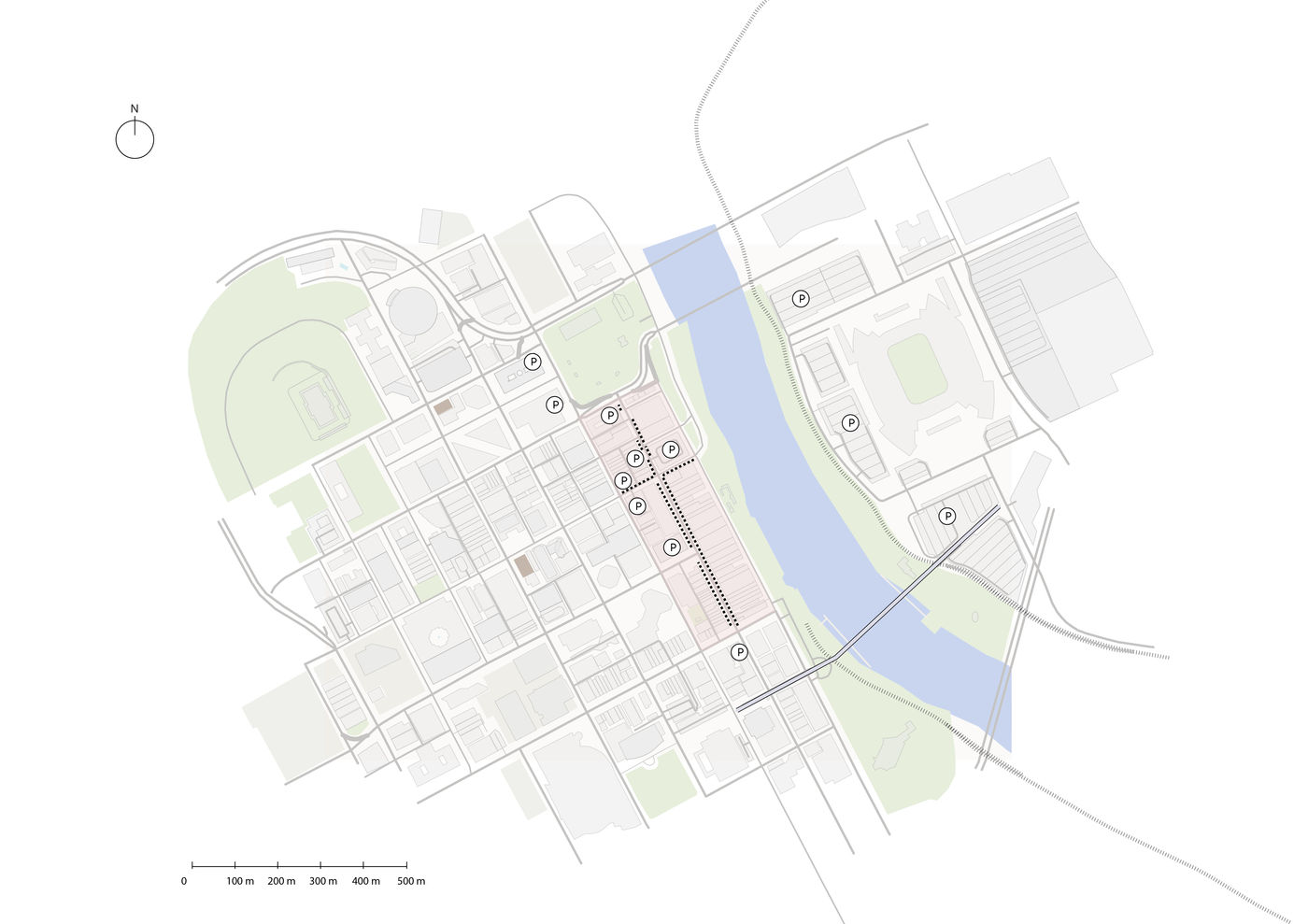
Flex Lane // Daily Schedule
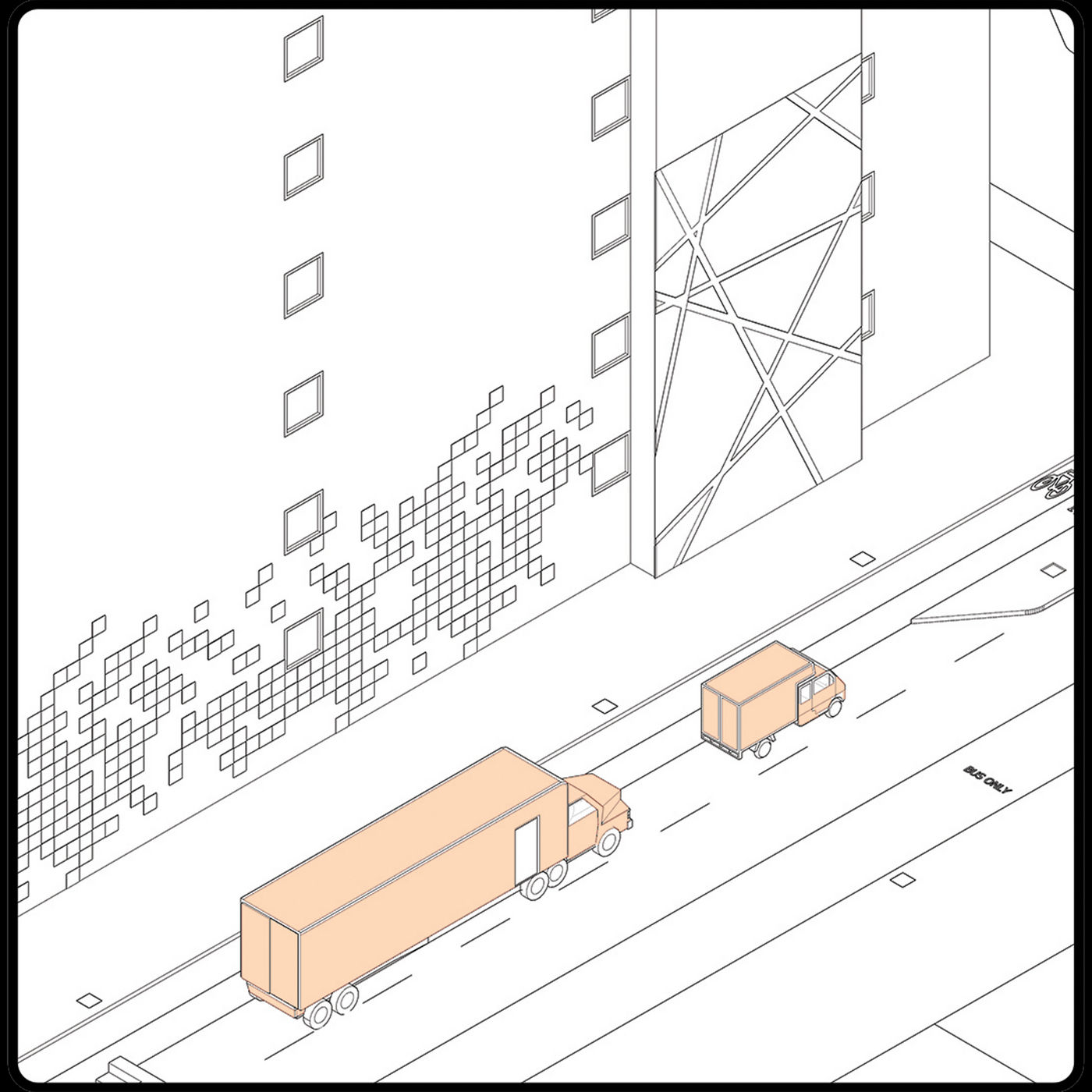
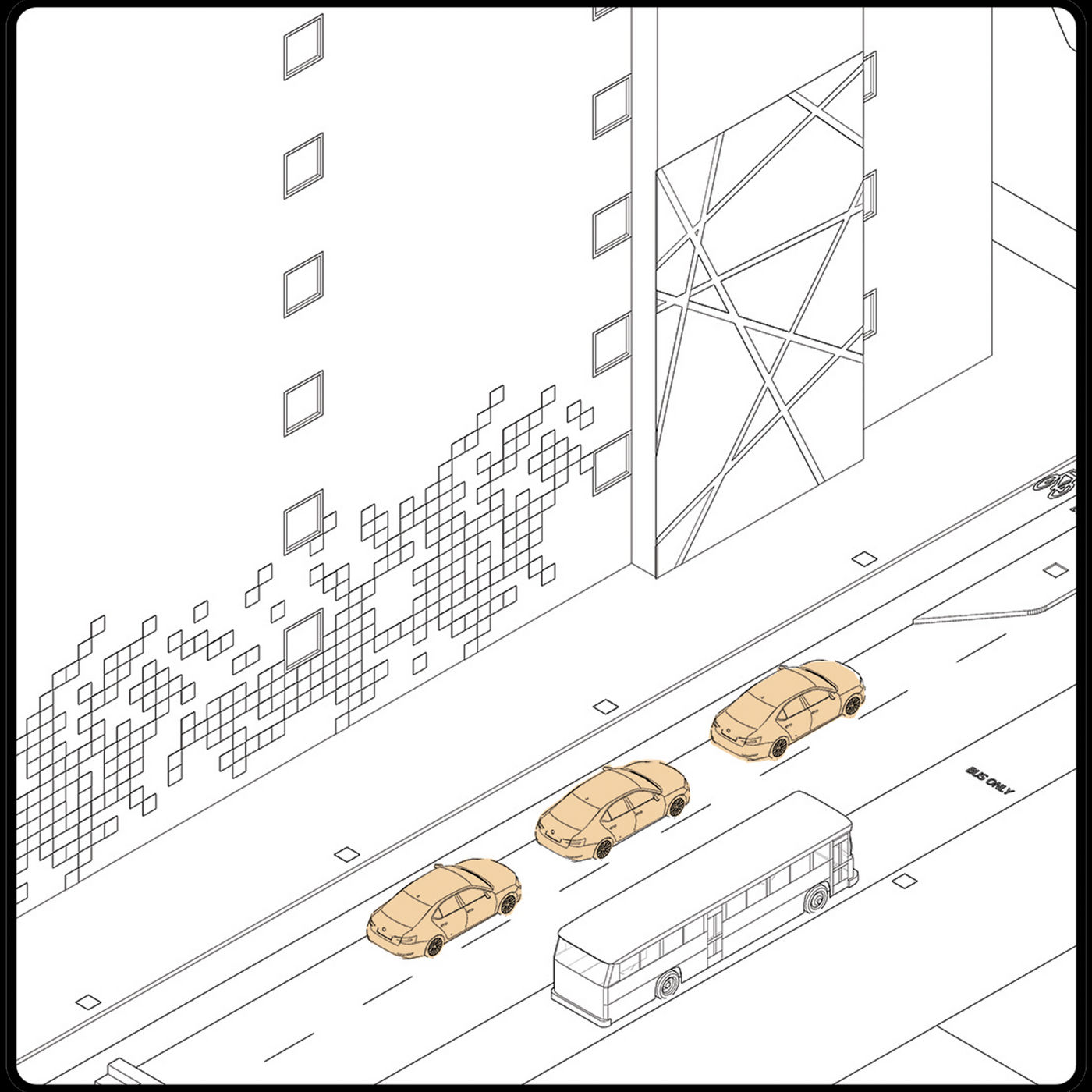
Second Avenue // A Multimodal Street
We are looking forward to continuing to listen, imagine and design alongside our Nashville community as we rebuild Second Avenue together. Second Avenue will always have a unique character, and we hope to only strengthen the history and atmosphere that exist.