If your home feels outdated, inefficient, or no longer fits your lifestyle, a residential renovation can transform it into a space that works better for you—without the need to move. From updating finishes to reworking entire layouts, renovation projects allow homeowners to modernize their homes while increasing long-term value.
This guide explains what residential renovation involves, how it differs from remodeling, typical costs, and how to approach your project the right way.
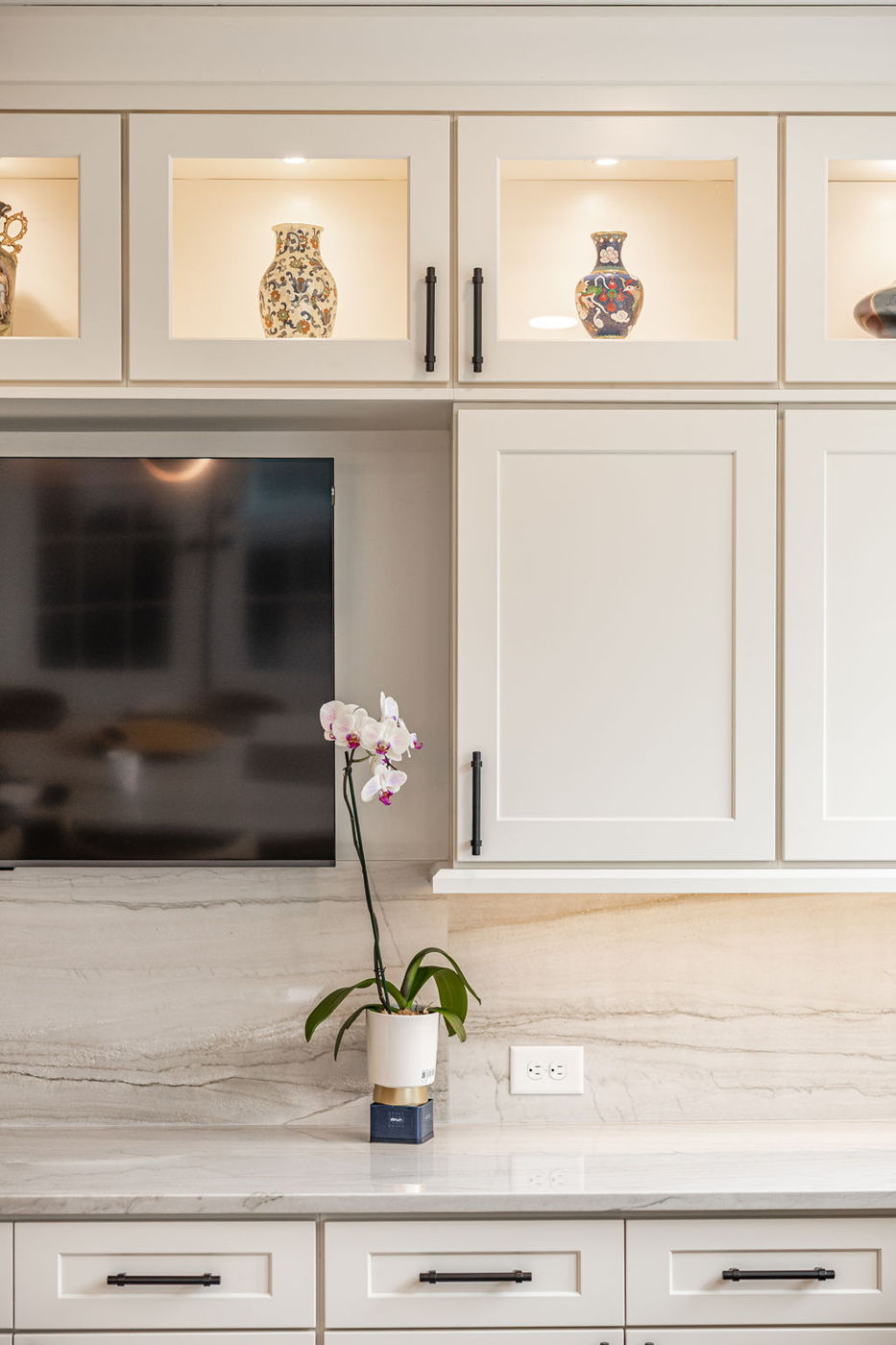
What Is Residential Renovation?
Residential renovation focuses on restoring, updating, or improving an existing home while often keeping the original structure intact. Unlike major remodeling projects that may involve structural changes, renovations are typically centered around enhancing what’s already there.
Common Residential Renovation Projects:
- —Kitchen upgrades (cabinets, countertops, appliances)
- —Bathroom updates (fixtures, tile, vanities)
- —Flooring replacement
- —Interior and exterior painting
- —Lighting and electrical upgrades
- —Window and door replacements
- —Exterior improvements (siding, roofing)
Renovation is ideal when your home’s layout works—but the finishes, systems, or aesthetics need improvement.
Residential Renovation vs Remodeling: What’s the Difference?
Many homeowners use these terms interchangeably, but they are slightly different:
- —Renovation: Improves or refreshes existing spaces without major structural changes
- —Remodeling: Changes the structure or layout (moving walls, adding square footage)
For example:
- —Replacing kitchen cabinets = renovation
- —Expanding your kitchen footprint = remodeling
Understanding this difference helps you set the right expectations for cost, timeline, and complexity.
Why Homeowners Choose Residential Renovation
1. Modernize an Outdated Home
Older homes often have dated finishes and materials. Renovation brings them up to current design standards.
2. Improve Energy Efficiency
Upgrading windows, insulation, and systems can lower utility costs and improve comfort.
3. Increase Property Value
Well-executed renovations can provide a strong return on investment, especially in kitchens and bathrooms.
4. Enhance Comfort and Function
Small upgrades—like better lighting or improved layouts within existing walls—can make a big difference in daily living.
The Residential Renovation Process
A successful renovation starts with a clear plan and realistic expectations.
1. Define Your Goals
Identify what you want to improve—functionality, aesthetics, or both.
2. Budget Planning
Determine how much you’re willing to invest and prioritize areas accordingly.
3. Design & Selections
This includes choosing materials, finishes, colors, and fixtures. Even smaller renovations benefit from thoughtful design.
4. Permits (If Required)
Some renovations—especially those involving electrical, plumbing, or structural elements—may require permits.
5. Construction & Installation
Contractors complete the work, often in phases depending on the scope.
6. Final Review
Ensure everything meets your expectations and functions properly before closing out the project.
How Much Does a Residential Renovation Cost?
Costs depend on the scope of work, materials, and labor.
Typical Cost Ranges:
- —Kitchen Renovation: $20,000 – $60,000+
- —Bathroom Renovation: $8,000 – $30,000+
- —Interior Updates (Flooring, Paint): $5,000 – $25,000+
- —Whole-Home Renovation: $50,000 – $150,000+
Key Cost Factors:
- —Quality of materials
- —Size of the space
- —Labor costs
- —Hidden issues (older wiring, plumbing, etc.)
- —Custom vs standard finishes
Planning for unexpected costs—especially in older homes—is essential.
Choosing the Right Professionals
Even for renovation projects, working with the right team is critical.
Who You May Need:
- —Home designer or design consultant
- —General contractor
- —Specialized trades (electricians, plumbers, painters)
What to Look For:
- —Experience with similar renovation projects
- —Clear communication
- —Transparent pricing
- —Organized workflow
Pro Tip:
Even if your renovation seems simple, having a clear design plan before construction starts can prevent costly revisions and delays.
Common Residential Renovation Mistakes
Avoid these common pitfalls:
- —Starting without a defined scope
- —Underestimating the budget
- —Choosing materials last-minute
- —Ignoring potential hidden issues
- —Hiring based solely on the lowest bid
A well-planned renovation saves time, money, and stress.
Is Residential Renovation Right for You?
Residential renovation is a great option if:
- —Your home layout works well
- —You want to upgrade finishes and systems
- —You’re looking for a cost-effective improvement
- —You want to increase property value without major construction
If you’re considering layout changes or adding space, remodeling may be a better fit.
Final Thoughts
A residential renovation is one of the most effective ways to refresh your home, improve comfort, and increase value—without starting from scratch. With the right planning and a clear vision, even small updates can have a major impact.
Start Your Renovation Project
Before starting any renovation, it’s important to have a clear plan for your space. Thoughtful design decisions upfront can help you avoid costly mistakes and ensure a smoother construction process.
If you’re ready to explore your options, you can get started here:👉 https://www.fablarchitecture.com/start-your-project
Disclaimer: Renovation requirements vary by location. Always verify local building codes, permit requirements, and regulations before beginning any project.