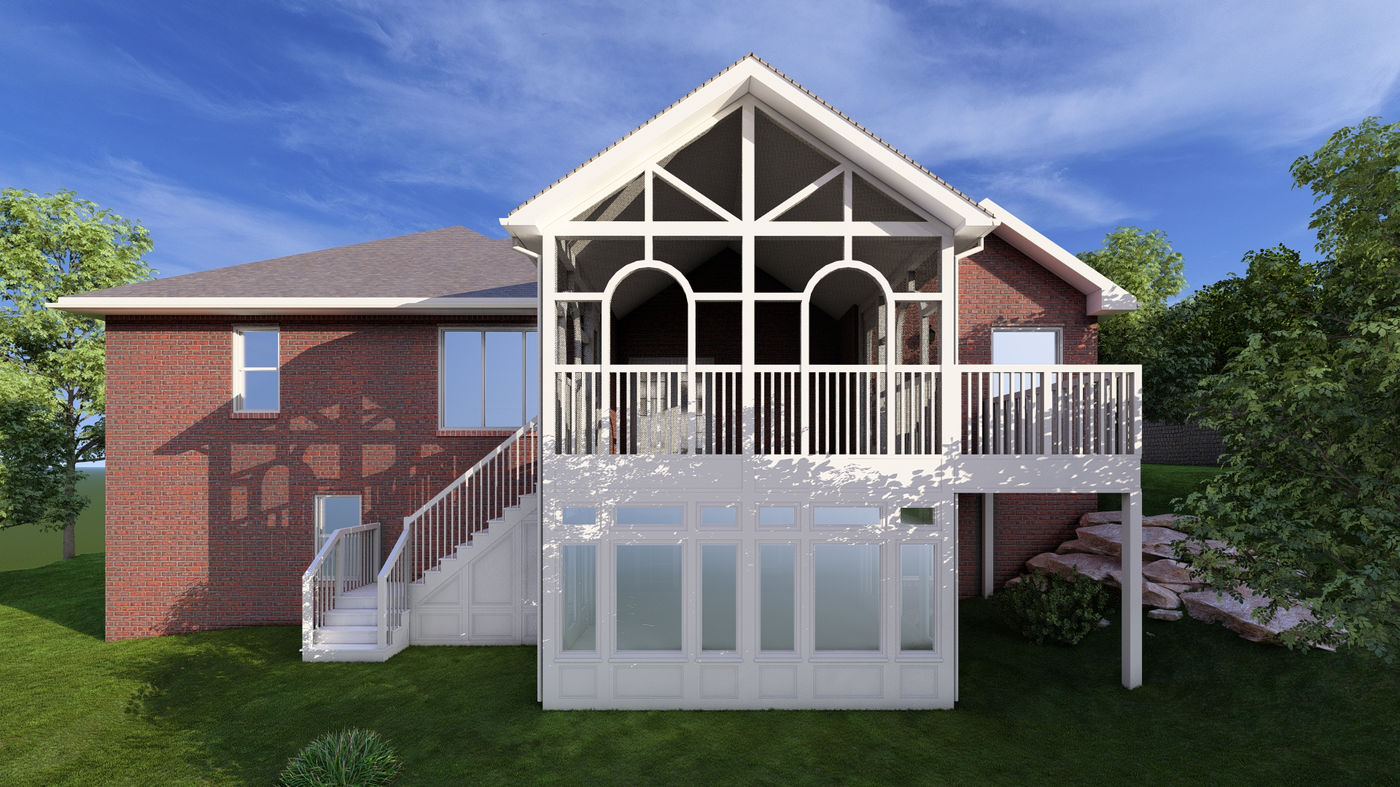
A gable roof is one of the most recognizable and widely used roof styles in residential architecture. Known for its simple triangular shape and efficient performance, the gable roof has remained popular for centuries—yet it continues to adapt beautifully to modern homes, additions, and renovations.
Whether you’re planning a home addition, building new, or comparing roof styles, understanding how a gable roof works can help you make a smarter design decision.
What Is a Gable Roof?
A gable roof consists of two sloping roof planes that meet at a central ridge, forming a triangular wall section—called a gable —on one or both ends of the house. This straightforward geometry makes it both practical and visually appealing.
You’ll often see gable roofs on:
- —Single-family homes
- —Home additions
- —Garages and detached structures
- —Farmhouses and cottages
- —Modern and contemporary homes
Types of Gable Roofs
Not all gable roofs are the same. Common variations include:
1. Front Gable Roof
The triangular gable faces the street, often emphasizing the home’s entry and giving it strong curb appeal.
2. Side Gable Roof
The most common type, where the gables sit on the sides of the house, creating a clean and balanced look.
3. Cross Gable Roof
Two or more gable roof sections intersect, commonly used in larger homes or additions to define different interior spaces.
4. Dutch Gable Roof
A hybrid style that combines a gable with a hip roof, offering both visual interest and added attic space.
Advantages of a Gable Roof
A gable roof remains popular for good reason. Key benefits include:
✔ Efficient Water and Snow Drainage
The sloped design allows rain and snow to shed easily, making it ideal for a wide range of climates.
✔ Cost-Effective Construction
Its simple structure typically requires fewer materials and less labor than more complex roof types.
✔ Better Ventilation
Gable ends allow for vents or windows, improving airflow and attic ventilation.
✔ Flexible Design
Gable roofs work well with traditional, transitional, and modern architectural styles.
✔ Great for Additions
When designing home additions, gable roofs are often easier to align with existing rooflines.
Disadvantages to Consider
While versatile, gable roofs do have a few considerations:
- —Wind Exposure: In high-wind areas, poorly designed gable roofs can be vulnerable if not properly braced.
- —Less Eave Protection: Compared to hip roofs, gable roofs may offer less shading for exterior walls.
Good architectural design and structural detailing typically address these concerns.
Gable Roof vs. Hip Roof
When comparing a gable roof to a hip roof, the main differences come down to shape and performance:
| Feature | Gable Roof | Hip Roof |
| Design | Two sloping sides | Four sloping sides |
| Cost | Lower | Higher |
| Ventilation | Excellent | Moderate |
| Wind Resistance | Moderate | Strong |
| Style | Traditional to modern | More compact look |
For many homeowners, the gable roof strikes the best balance between cost, performance, and aesthetics.
Is a Gable Roof Right for Your Home?
A gable roof is an excellent choice if you:
- —Want a timeless, proven roof style
- —Are planning a home addition or remodel
- —Prefer simpler construction and lower costs
- —Want good ventilation and attic space
It’s especially effective for master suite additions, second-story expansions, and detached accessory structures, where clean roof geometry helps integrate new and existing spaces.
Final Thoughts
The gable roof continues to be one of the most reliable and adaptable roof designs in residential architecture. Its simplicity, efficiency, and flexibility make it a smart choice for both traditional homes and modern renovations.
If you’re considering a home addition or exploring roof options, a well-designed gable roof can deliver long-term performance without sacrificing aesthetics.
Start Planning Your Gable Roof
Before moving forward, it’s important to have a clear design tailored to your home, lot, and budget. A well-thought-out plan can help reduce costs, speed up construction, and improve the final result.
If you’re ready to explore your options, get started here:👉 https://www.fablarchitecture.com/start-your-project